








Pain Behind Eye: Causes, Symptoms and Treatment
If you’ve ever experienced pain behind or around your eyes — whether it’s a sharp pain behind the eye or discomfort behind your right or left eye — you’re not alone. Eye discomfort or hurting eyeballs is a common issue, often causing people to wonder if it’s something serious or just a passing nuisance.
In this article, we’ll explore some common reasons why you might experience pain behind the eye, the symptoms you should watch for, some helpful hints, and importantly, when it’s essential to consult your GP or optometrist.
Disclaimer: This article is general information only and is not a substitute for professional medical advice. If you notice any change in your vision, book an appointment with your optometrist or ophthalmologist.
Key Takeaways
- Pain behind the eye is a symptom, not a diagnosis — causes range from eye strain to migraine.
- Which eye hurts doesn’t identify the cause; how the pain feels and what comes with it does.
- Most eye pain is minor and eases with rest, hydration or simple home care.
- Sudden severe pain, vision loss or neurological symptoms need urgent medical care.

What Causes Pain Behind the Eye?
Pain behind the eye can have many different causes, whether it feels like a sharp, aching or stabbing pain in or behind the eye, eye socket aches, or dull pain. It can be something minor like eye strain or more significant issues that require professional attention.
As there are a lot of possible causes with some of them with serious implications, you must always seek professional evaluation for persistent, severe or troubling eye pain.
Here’s a look at some common causes:
Eye Strain and Digital Eye Strain
Sinus Congestion
Tension Headaches and Migraines
Uveitis
Uveitis might occur due to an infection, an injury, or an autoimmune condition, but in many cases, the exact cause isn’t known. If you suspect uveitis, it’s essential to seek prompt assessment and care from an optometrist or ophthalmologist, as untreated inflammation can lead to serious complications and permanent damage.
Cluster Headaches
Pregnancy and Hormonal Changes
Hormonal fluctuations during pregnancy can affect the eyes, sometimes leading to dry eyes, fluid retention in the cornea, and increased sensitivity to light. Migraines linked to hormonal changes are also common during pregnancy and can cause pain behind or around the eyes.
These changes are usually temporary and resolve after delivery, but any sudden, severe, or unusual eye symptoms during pregnancy should be checked by a doctor, as they can occasionally signal a more serious condition such as pre-eclampsia.
Temporomandibular Joint (TMJ) Disorders
Glaucoma
Acute angle-closure glaucoma is where the pressure inside the eye rises rapidly. It can result in severe pain and vision issues such as fogginess and halos or even rainbows around lights. Sudden onset- or acute- glaucoma is an eye health emergency that needs quick treatment, but it is not common.
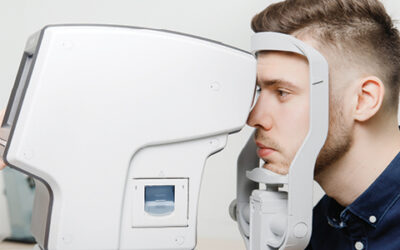
A routine comprehensive eye examination with your optometrist involves assessing risk factors for future glaucoma, and there is preventative treatment for people who are at risk of acute glaucoma. Another good reason for having regular eye check-ups at The Optical Co.
Optic Neuritis
Immediate assessment by an optometrist or ophthalmologist is crucial, as early diagnosis and treatment can help protect your vision and identify any underlying causes.
Eye Injury or Trauma
Giant Cell (Temporal) Arteritis
Giant cell arteritis, also known as temporal arteritis, is an inflammation of the arteries in the temples that also supply blood to the eyes. It mostly affects people over 50 and typically causes a throbbing headache around the temple, scalp tenderness, jaw pain when chewing, and pain behind or around the eye. Vision disturbances, including sudden or transient vision loss, can also occur.
This condition is considered a medical emergency, as untreated giant cell arteritis can lead to permanent, irreversible vision loss, sometimes within days. If you’re over 50 and experience new headaches, scalp tenderness or jaw pain alongside eye pain or vision changes, seek urgent medical attention.
Dental Issues
Tooth infections and abscesses, particularly in the upper back teeth, can cause referred pain that’s felt behind or around the eye, since the nerves of the teeth, sinuses and eyes are closely connected. In some cases, an untreated dental infection can spread toward the eye socket, leading to swelling and more serious complications.

What Symptoms Can Occur With Pain Behind the Eye?
If you experience any of the following symptoms along with your eye pain, you should monitor your condition closely:
- Neurological symptoms, such as confusion or difficulty speaking — see a professional immediately
- Blurred vision or vision changes including loss — see a professional immediately
- Sharp, stabbing, or persistent aching pain behind eye
- Eye redness, swelling, or discharge
- Headaches or dizziness
- Nausea or sensitivity to light
If you’d like to discuss any of these symptoms with one of our eye health professionals, book an appointment with The Optical Co.
Why Does It Hurt Behind My Eye When I Look Up or Move It?
Pain behind the eye when looking up or moving the eye can occur when structures around the eye or optic nerve are irritated or inflamed. Optic neuritis is one possible cause, while sinus inflammation, eye strain and other eye or neurological conditions can also cause discomfort around eye movement.
If movement-related pain is new, persistent or accompanied by blurred vision, loss of vision, reduced colour intensity or other neurological symptoms, seek prompt professional assessment.
Does Pain Behind the Right or Left Eye Mean Something Different?
Pain behind the right eye and pain behind the left eye can have the same range of causes. The side of the pain alone usually does not identify the underlying problem, although some one-sided conditions, including migraine, cluster headache and optic neuritis, may affect one eye or one side of the head more noticeably.
What matters more is how the pain started, whether it is sharp or aching, whether eye movement makes it worse, and whether you also have redness, headache, nausea, light sensitivity or changes to your vision.
How to Relieve Pain Behind the Eye at Home
While home remedies won’t solve all eye pain issues, here are some things that may offer temporary relief:
- Nasal Decongestants: If you suspect sinusitis, then the usual remedies of allergy tablets or nasal sprays, nasal rinsing or oral decongestants may help reduce the sinus inflammation that is causing eye pain.
- Rest: Give your eyes regular breaks from screens and close your eyes briefly to relax.
- Spectacles: If your eye pain is worsened by tasks such as screen work, then wearing your prescribed spectacles can ease the stress on your eyes.
- Compresses: Apply cold or warm compresses gently to your closed eyes to reduce discomfort.
- Hydration: Drink plenty of water, as dehydration can sometimes contribute to headaches and eye discomfort.
- Over-the-counter pain relievers: Ibuprofen or paracetamol can temporarily ease minor pains.
- Posture: Maintain good posture and use ergonomic furniture to reduce strain.

Medical Treatment Options
Some causes of eye pain are minor and settle with rest or treatment of the underlying trigger, but persistent, severe or unexplained pain should be assessed rather than assumed to be harmless.
Depending on the underlying cause, treatment options may include prescription medications for migraines, treatment for sinus infections, prescription eye drops or other specialist treatment for eye conditions.
As there are many eye pain causes, if you have concerns about what is causing your symptoms, be sure to consult a health care professional.
When to See a Doctor or Your Optometrist
While minor discomfort may resolve quickly, you should promptly seek professional care if you experience:
- Sudden, severe, sharp pain behind eye
- Vision changes or vision loss, including a difference in brightness or colour between your eyes
- Eye redness or swelling
- Persistent or worsening pain in and behind eye
- Changes in symptoms when moving your eyes
- Any associated general or neurological symptoms, such as confusion or difficulty speaking, fever, sleepiness, malaise, weakness or tender areas on the face, temples or scalp.
Seek urgent medical care for sudden severe eye pain with vision loss, marked redness, halos around lights, nausea or vomiting, or for eye pain accompanied by new neurological symptoms. These combinations can indicate conditions that need immediate assessment.
Schedule Your Eye Checkup Today
Regular optometric eye check-ups are crucial for maintaining good vision and eye health.
If you’re experiencing persistent pain behind your eye, or if it’s been a while since your last check-up, book an appointment with The Optical Co. Our experienced, professional optometrists can help you with your eye health and vision needs.
Find your nearest clinic and book an appointment with one of our optometrists.

FREQUENTLY
ASKED
QUESTIONS
ABOUT EYE PAIN
Can dehydration cause pain behind the eye?
Yes, dehydration can lead to headaches and eye discomfort due to reduced fluid around the brain and eyes. Drinking sufficient water daily can help alleviate this.
Is pain behind the eye related to blood pressure?
High blood pressure can sometimes contribute to eye pain, such as during a hypertensive crisis. Regular blood pressure monitoring and medical check-ups can help manage this risk. Seek urgent medical care if you believe that this might be the case.
Can allergies cause pain or pressure behind the eyes?
Absolutely. Allergies can cause sinus congestion and inflammation, leading to pressure and pain around or behind the eyes, commonly referred to as “hurting eyeballs.”
How does poor sleep affect pain behind the eye?
Poor sleep can trigger or worsen tension headaches and migraines, causing eye discomfort. Establishing a consistent sleep routine may help reduce these issues.
Are there any exercises that help relieve pain behind the eye?
Simple eye exercises, such as gently focusing on distant objects or doing slow eye rotations, along with posture improvement exercises, can help reduce tension and strain behind your eyes.

Remember, while self-care can provide temporary relief, professional advice is crucial for persistent or severe symptoms, or where you have other symptoms occurring somewhere in your body at the same time.
Schedule your eye check-up today for peace of mind, appropriate guidance and care.