








Macular Degeneration: Symptoms, Causes and Treatment

Macular degeneration (also called age-related macular degeneration, or AMD) damages the macula — the part of the retina responsible for sharp, central vision — and is the leading cause of vision loss in Australians over 50. According to the Macular Disease Foundation Australia, around one in seven people in this age group show some sign of the disease. Symptoms include blurred or wavy central vision, but peripheral vision stays intact, and early detection through regular eye tests significantly improves outcomes.
The two forms of AMD move at very different speeds, one over years, the other sometimes within days — so knowing which early signs to act on matters.
Disclaimer: This article is general information only and is not a substitute for professional medical advice. If you notice any changes to your vision, book an appointment with your optometrist or ophthalmologist as soon as possible.
Key Takeaways
- Macular degeneration damages central vision but does not affect peripheral vision.
- Around 1 in 7 Australians over 50 (roughly 1.9 million people) show signs of AMD.
- There are two types: dry (more common, gradual) and wet (rarer, sudden, more severe).
- Smoking triples or quadruples AMD risk; family history raises it significantly too.
- There’s no cure, but eye tests, diet, and injections (for wet AMD) help manage it.
- Anti-VEGF injections stop further vision loss in ~95% of wet AMD patients.

What is Macular Degeneration?
Macular degeneration is damage to the macula — the small central area of the retina responsible for sharp, detailed vision used for reading, recognising faces and driving. Age-related macular degeneration (AMD) is the most common form and mainly affects people over 50. As it progresses, central vision becomes blurred or distorted, but because AMD only affects the macula, peripheral (side) vision remains normal. The condition does not cause total blindness.
The Macular Disease Foundation Australia estimates around 1.9 million Australians over 50 show some evidence of the disease, a figure projected to reach 2.1 million by 2030 without better prevention and treatment.
Macular degeneration isn’t the only eye condition that’s easier to manage when caught early — the same applies to glaucoma and diabetic retinopathy.
What are the types of Macular Degeneration?
Macular degeneration presents as two distinct types, being dry and wet, which differ in how they develop and how they’re treated.
Dry Macular Degeneration
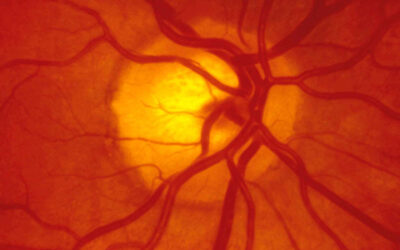
Dry macular degeneration is the more common and milder form of macular degeneration. Waste deposits called drusen start to collect in the macular area and disturb the normal functioning of the macula. They can be seen as small yellow spots or clusters in the macula area.
Wet Macular Degeneration
Wet macular degeneration is when the blood vessels in the macular area become weak and leaky and causes bleeds at the macula. This is the more severe form of macular degeneration as it can affect your vision more significantly.
What are the symptoms of Macular Degeneration?
Macular degeneration is progressive, so it’s often symptom-free in its early stages and easy to miss without a comprehensive eye test. As it develops, the most common symptoms to watch for are:
- A gradual or sudden reduction in the sharpness of your central vision
- Increasing difficulty reading small print or recognising faces
- Needing brighter light than usual to see clearly, or struggling in low light
- Colours appearing less vivid than they used to
Peripheral (side) vision is not affected by macular degeneration. Wet AMD can cause these symptoms to progress rapidly, sometimes over days rather than months, and is usually more severe than dry AMD.

What causes Macular Degeneration?
Macular degeneration develops from a mix of genetic and environmental factors. The main risk factors are:
- Age: being over 50, with risk increasing significantly after 65
- Family history: having a parent or sibling with AMD substantially increases your own risk
- Smoking: the largest modifiable risk factor. Smokers are three to four times more likely to develop AMD, and may develop it five to ten years earlier than non-smokers
- Ethnicity: AMD is more common in people of Caucasian background
- Diet and lifestyle: a diet low in leafy greens and high in processed fats is linked to higher risk.
How is Macular Degeneration diagnosed?
Regular eye tests are the main way to detect AMD, often before symptoms appear. Your optometrist will examine your retina and macula for early warning signs such as drusen, which are small yellow deposits that build up under the macula.
- Amsler grid — a simple grid of straight lines. If lines appear wavy, distorted or missing when you look at the grid, it can indicate AMD, and it’s a useful tool to check your macular health at home
- Retinal photography — a photo of the back of the eye that lets your optometrist compare your macula against previous images over time, tracking whether drusen or other AMD signs are growing or changing.
- Optical coherence tomography (OCT) — a scan that takes cross-sectional images of the retina to detect swelling, deposits or abnormal growth beneath the macula; useful for both dry and wet AMD.
What is the treatment for Macular Degeneration?
There is currently no cure for macular degeneration, but treatment and lifestyle changes can help slow its progression and, for wet AMD, help stop active bleeding.
Treatment for Dry Macular Degeneration
Diet and lifestyle changes can support overall macular health. Foods rich in lutein and zeaxanthin — antioxidants found in dark leafy greens such as kale, spinach and broccoli — are recommended.
Specific evidence-based supplements may also help reduce progression in those who already have moderate AMD. Not all supplements are backed by the same evidence, so it’s worth checking with your optometrist which formulations are actually proven to help. These supplements aren’t a cure, and they aren’t recommended as a way to prevent AMD if you don’t already have signs of it; their benefit is specifically for slowing progression once early changes are present.
Wearing sunglasses that block UV light can also help protect the macula and reduce the risk of progression. If you smoke, quitting is one of the most effective steps you can take, as smoking is a major risk factor for AMD progression. If vision is already affected, a low vision specialist can help with magnifiers or lighting adjustments to support daily tasks.
Treatment for Wet Macular Degeneration
Wet AMD is usually treated with anti-VEGF eye injections. An eye specialist injects medicine directly into the eye to stop abnormal blood vessels leaking and bleeding. This is an ongoing treatment rather than a cure, so most people need repeated injections over time. Your ophthalmologist will explain what results are realistic in your case, and how often you would need to be seen.

Can Macular Degeneration be prevented?
There’s no proven way to completely prevent macular degeneration, but several lifestyle changes can help reduce your risk or slow its progression:
- Quit smoking — smoking is the biggest modifiable risk factor for AMD
- Eat a healthy diet high in leafy green vegetables and low in processed fats
- Protect your eyes from UV light by wearing sunglasses that block UVA and UVB rays
- Have regular eye tests to screen for and detect early signs of macular degeneration
Early detection of macular degeneration can significantly help maintain your level of vision and slow the disease’s effects.

Next steps & measures
If you’ve noticed any changes to your central vision, don’t wait for symptoms to worsen. Book a comprehensive eye test with your optometrist, especially if you’re over 50 or have a family history of AMD.
Find your nearest clinic and book an appointment.
Early detection of macular degeneration can significantly help maintain the level of progression and its effects on vision.