




Swollen Eyelid: Symptoms, Causes and Treatment
A swollen eyelid is a common eye concern that can cause discomfort, redness, and even vision problems if left untreated. Swelling can affect one (or both) eyelids and may appear suddenly or develop gradually over time.
Understanding what causes eyelid inflammation, recognising the symptoms, and knowing the right swollen eyelid treatment are key to managing this condition and protecting your eye health.
Common symptoms include an itchy eye, red eyelid, painful eyelid, eyelid lump, eye swelling, eye discharge, or eye irritation. In some cases, swelling may be linked to conditions like tear duct blockage, infection, or allergies.
Let’s explore how common it is, why it happens, and what you can do about it.

How common is a swollen eyelid?
A swollen eyelid is one of the most frequent complaints seen by optometrists. Many people experience it at least once in their life, and it can occur at any age.
While most cases are mild and resolve on their own, it’s important to understand that eyelid inflammation can have various underlying causes—from harmless eye allergy flare-ups to more serious conditions like periorbital cellulitis, which requires urgent care.
Common Causes and Symptoms of Swollen Eyelids
Let’s look at the main causes behind eyelid inflammation symptoms and what to watch for:
Infections
| Causes: | Symptoms: |
|
Infections such as a stye (also called a hordeolum) or periorbital cellulitis are common swollen eyelid causes. A stye occurs when bacteria infect an eyelash follicle or oil gland, leading to a painful, red bump. Periorbital cellulitis, a deeper skin infection around the eye, can cause significant swelling and redness and needs prompt medical treatment.
|
|
Charlazion
| Causes: | Symptoms: |
| A chalazion forms when an oil gland (meibomian gland) becomes blocked, leading to localised swelling. Unlike a stye, it’s usually not infected but can still cause discomfort. |
|
Allergies and Irritants
| Causes: | Symptoms: |
|
Eye allergy to pollen, dust, pet dander, or reactions to eye makeup and contact lens solutions can trigger eyelid inflammation. Irritants in the environment or rubbing your eyes can also contribute.
|
|
Fluid Retention and Medical Conditions
| Causes: | Symptoms: |
|
Swelling can result from fluid retention overnight, thyroid eye disease, kidney issues, or sinus infections.
|
|
Injury and Trauma
| Causes: | Symptoms: |
|
A direct blow, scratch, insect bite, or even surgery can damage delicate eyelid tissues, leading to swelling. |
|
Other Causes
| Symptoms: | |
|
Less common causes include tear duct blockage, certain medications, or inflammatory conditions like blepharitis. |
|

Home Remedies and When to See an Optometrist
At-home swollen eyelid treatment options:
- Warm compress for eyes: Helps open blocked glands and reduce discomfort, eye masks specifically designed for this work best and should be used for 10 minutes at least twice a day
- Gentle eyelid cleansing (with specially formulated lid wipes)
- Avoid eye makeup and contact lenses until swelling subsides
- Use artificial tears to relieve dryness or eye irritation
- Over-the-counter antihistamines or allergy drops if symptoms suggest eye allergy
- Cold compress for eyes: Helps relieve inflammation and irritation in allergy causes
When to see an Optometrist:
- Severe or worsening eye swelling
- Painful eyelid with fever
- Blurred vision or vision problems
- No improvement after a few days
- Firm or persistent eyelid lump
- Signs of spreading redness (possible periorbital cellulitis)
Prompt professional care helps prevent complications and ensures correct diagnosis.
How an Optometrist can help?
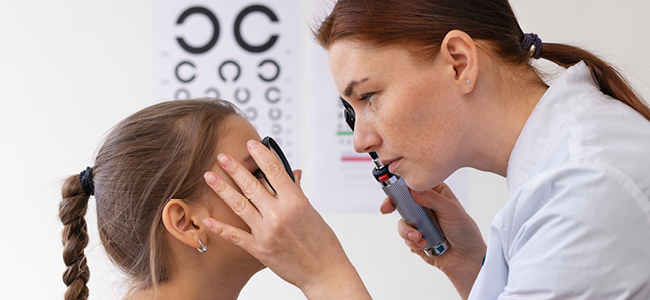
An optometrist will:
- Take a detailed history of your symptoms
- Perform an eye examination, possibly including a slit lamp exam to look closely at glands and eyelid structure
- Identify underlying causes (e.g., blepharitis, tear duct blockage, allergies, or infection)
- Prescribe medicated drops or ointments if needed
- Refer you to an ophthalmologist for further treatment if necessary
Their expertise helps target the exact cause, whether it’s an infection, blockage, or inflammatory condition.
Frequently Asked Swollen Eyelid Questions
1. What does it mean if only one eyelid is swollen?
Often, swelling in a single eyelid comes from local issues like a stye, chalazion, injury and trauma, or allergic reaction affecting that specific eye.
Infections are also a common cause of unilateral swelling.
2. Why did I wake up with a swollen top eyelid?
Overnight fluid retention is common, especially if you slept flat or ate salty food.
Allergies that flare overnight or developing infections like a stye may also cause morning eyelid swelling.
3. Are swollen eyelids contagious
Most eyelid swelling isn’t contagious. However, if it’s due to a bacterial or viral eyelid infection, it can spread. Blepharitis, chalazion, and allergic reactions are not contagious.
Always wash your hands and avoid sharing towels or makeup.

Preventing Future Eyelid Swelling
- Practice daily eyelid hygiene if prone to blepharitis
- Avoid rubbing your eyes, especially with unwashed hands
- Replace makeup every 3–6 months and never share it
- Use hypoallergenic products to reduce eye allergy risk
- Remove contact lenses nightly and clean them properly
- Schedule regular eye exams to monitor eyelid health
Good habits keep eyelids healthy
& reduce recurrences.
Final Thoughts
A swollen eyelid is common, and most causes—from blepharitis and styes to eye allergy and blocked glands—are manageable with the right care.
Recognising the signs like red eyelid, itchy eyes, eye swelling, or a painful eyelid, combined with simple treatments like a warm compress for eyes, can make a big difference.
When symptoms persist, worsen, or affect vision, don’t hesitate to see your optometrist—they can help diagnose and treat the cause to keep your eyes healthy and comfortable.